// The backstory
Built because
it didn't exist.
ArtDrop™ started as the only way out of a problem that was eating studio time alive.
I didn't build this because I wanted to build software. I built it because I had no other option.
I'm an artist. I shoot. I make things. At some point I had hundreds of pieces sitting on a hard drive that deserved to be out in the world. So I went through the process of getting them there. It nearly broke me.
One artwork could become a print, a mug, a clock, and a shirt. Each format meant another upload, another set of variants and prices, and another listing to write.
I kept switching between provider dashboards and store editors to turn the same photograph into all those products. The artwork was finished; the listing work kept piling up.
So I built something that did it for me. Built it to look at each piece and write about what is actually in the image. Connected it to print providers, the store, and cloud storage. Automated the repeated trip from artwork to provider to Shopify. Then I ran my own catalogue through it, including products I'd been creating by hand.
Here is one artwork from my catalog on two products: a Printful fine art poster and a Printify wall clock, shown in provider mockups.
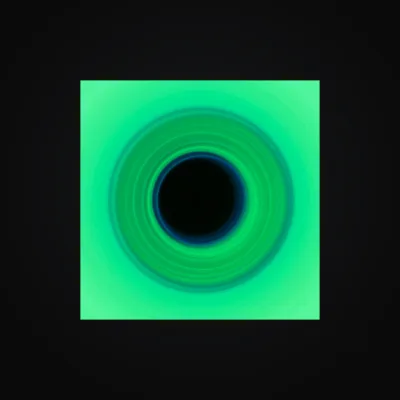
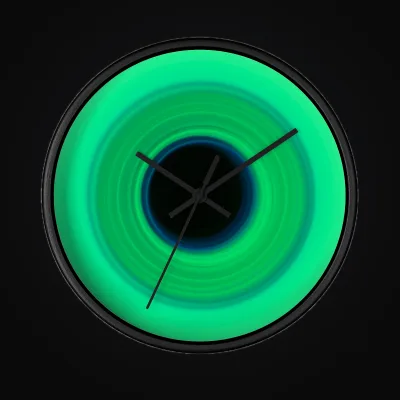
Then I built the Voice Trainer, because teaching ArtDrop how to write about your art shouldn't require knowing how to write prompts. You give it a website URL or a passage of your existing copy, click Analyze Voice, and the rules land straight in your Copy and Data fields. The page scrolls to show what changed, you tweak anything that's off, and you're done. No forms to fill, no guesswork.
It worked. And then I thought about every other artist sitting in front of that same wall.
Making good art is the hard part. That should be the whole job. But it's not. The job also includes listing copy, SEO descriptions, variant management, store organization, tags, alt text, and publishing, again for every single format you sell. It's not creative work. It's data entry. And it scales terribly.
Michael Hill, founder of ArtDrop and a working photographer in Des Moines. I still run my own catalog through the same pipeline ArtDrop automates.
Create products with Gelato, Printful, and Printify. Publish to Shopify or Etsy through your connected Gelato or Printify store, or publish digital downloads directly to Etsy. ArtDrop creates your Printful products. A standalone Printful store keeps them in Printful for you to publish when you are ready, and a Shopify-connected Printful store finishes with a live Shopify listing. Pinterest Product Pins use your connected Shopify sales channel.
We've invested in protecting our core technology. ArtDrop has filed U.S. patent applications covering ArtDrop's copywriting methods, and our simultaneous multi-provider product creation workflow. These applications are currently pending.
Every artwork you see on getartdrop.com, in the product photos, the page art, and the social preview cards, is an original photograph from Michael's Circular Light series. Each one was made in camera by a person, not generated by software. The ArtDrop system drafts listing copy; it does not make art. The artwork is copyrighted (© Michael Hill, all rights reserved), the series is the subject of a United States Copyright Office registration application filed in July 2026, and it is not licensed for reuse, redistribution, or automated system training. Permission requests and takedown notices go through the DMCA page.